Kedarnath Dham Temple, Uttarakhand
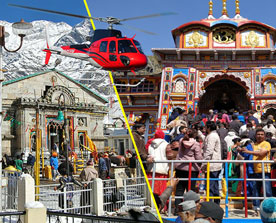
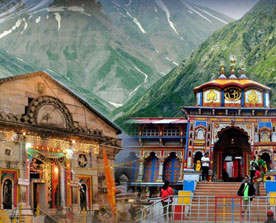
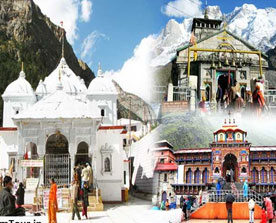
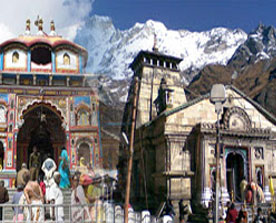
Kedarnath is not just a destination. It's a reckoning. At 3,583 meters above sea level, deep in the Garhwal Himalayas of Uttarakhand, sits one of the holiest shrines in Hinduism — the Kedarnath Temple, dedicated to Lord Shiva. One of the twelve sacred Jyotirlingas and a key stop on the Char Dham Yatra, this ancient stone temple has drawn pilgrims for over a thousand years. The mountains around it. The Mandakini river below it. The silence above it. Nothing quite prepares you for the first time you see it.
Whether you're planning your first visit or returning after years, this guide covers everything you need to know about Kedarnath Yatra 2026 — opening dates, how to reach, trek details, best time to visit, and the practical things that make the difference between a difficult journey and a meaningful one.
Kedarnath Temple: A Shrine That Survived the Ages
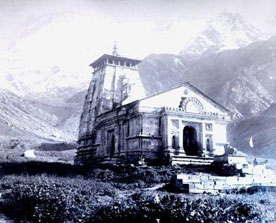
The Kedarnath Temple is one of the oldest active shrines in India. According to the Shiva Purana, the site is associated with the Pandavas, who sought Lord Shiva here to seek absolution after the Kurukshetra war. The 8th-century philosopher Adi Shankaracharya is credited with reviving the temple and establishing its spiritual importance in the Char Dham network.
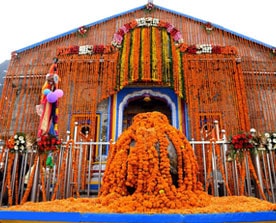
The presiding deity is a naturally occurring (svayambhu) triangular rock Lingam — not shaped by human hands. This makes Kedarnath unique among all Jyotirlingas.
The 2013 Uttarakhand flash floods destroyed the entire township around the temple. The temple itself stood firm — protected, according to eyewitnesses and geologists alike, by a massive boulder that lodged itself behind the structure and diverted the floodwaters. For many pilgrims, that survival is itself a testament to something beyond the physical.
Kedarnath Opening & Closing Dates 2026
The Kedarnath Temple Kapat opens officially on 22 April 2026 at 8:00 AM, as announced by the Badrinath-Kedarnath Temple Committee (BKTC) during the Maha Shivratri ceremony at Omkareshwar Temple, Ukhimath.
The temple traditionally closes on Bhai Dooj — two days after Diwali — every year. The tentative closing date for 2026 is late October to early November 2026. After closure, the Panchmukhi Utsav Doli of Lord Kedarnath is shifted to Omkareshwar Temple, Ukhimath, where winter worship continues.
| Event | Date / Detail |
|---|---|
| Temple Opens (Kapat) | 22 April 2026, 8:00 AM |
| Temple Closes | Late October / Bhai Dooj 2026 |
| Darshan Hours | 4:00 AM – 3:00 PM and 5:00 PM – 9:00 PM |
| Mid-Day Break | 3:00 PM to 5:00 PM (temple closed) |
| Winter Seat | Omkareshwar Temple, Ukhimath |
How to Reach Kedarnath
Kedarnath is the most remote of the four Char Dham sites. There's no road that goes all the way — the last leg always involves either a trek, a pony, or a helicopter.
Step 1 — Reach Rishikesh or Haridwar These are the main gateway cities. Jolly Grant Airport in Dehradun (approx. 250 km) is the nearest airport. Rishikesh (Yog Nagari YNRK) is the nearest railway station.
Step 2 — Reach Sonprayag / Gaurikund From Rishikesh or Haridwar, take a bus or taxi via Rudraprayag and Guptkashi to Sonprayag. From Sonprayag, shared jeeps run to Gaurikund — the last motorable point, roughly 5 km ahead.
Step 3 — Trek or Fly from Gaurikund From Gaurikund, the Kedarnath temple is 16–18 km away. The trek takes 6–8 hours depending on pace and weather. Pony, palki, and kandi (porter) services are available along the route.
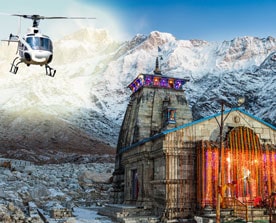
By Helicopter: Helicopter services operate from helipads at Phata, Sersi, and Guptkashi. The flight to Kedarnath takes roughly 7–10 minutes and offers extraordinary aerial views of the Himalayan range. This is the preferred option for senior citizens, families with young children, and anyone short on time. Bookings open before the yatra season and fill up fast — advance booking is strongly recommended.
The Trek: What the Route Actually Looks Like
The Gaurikund to Kedarnath trek passes through Jungle Chatti, Bhimbali, Rambara, Lincholi, and Rudra Point before arriving at the temple. Each stretch has its own character.
The initial section from Gaurikund is relatively gentle. From Rambara onward, the trail steepens. The final 3–4 km before Kedarnath involves a sharp climb and is where most trekkers slow down significantly — largely due to altitude.
What most travel guides don't tell you: the trail gets heavy with pony traffic, especially in the morning hours. Pilgrims are advised to walk on the pilgrim side of the path to avoid being jostled by passing animals. Carry water, wear proper trekking shoes, and don't rush. Altitude does the math — the faster you push, the harder it hits.
Best Time to Visit Kedarnath
May–June: Peak Season
The most popular window. Weather is relatively clear, temperatures range from 2°C to 12°C, and the snowcaps are still visible on surrounding peaks. Expect crowds — especially in May, right after opening. Book accommodation and helicopter tickets well in advance.
September–October: Post-Monsoon, Less Crowded
The Himalayas after monsoon are stunning. Skies are clear, valleys are lush, and the crowds are thinner. Temperatures drop fast in October — nights can go below zero — so carry heavy warm layers.
July–August: Avoid
Monsoon season means landslides, blocked roads, and dangerous trail conditions. The Rudraprayag-Gaurikund highway is particularly vulnerable. Unless you're experienced and tracking NDRF alerts, this window is best skipped.
Kedarnath Registration: Mandatory for All Pilgrims
Yatra registration is compulsory. Without completing registration on the Uttarakhand Tourism portal, you will not be allowed past Sonprayag or Phata checkpoints — even with confirmed hotel and helicopter bookings.
Registration is completely free. It takes 5–10 minutes online.
How to register:
- Visit: registrationandtouristcare.uk.gov.in
- Create an account with mobile number and Aadhaar/Passport/Voter ID
- Select travel dates and Dhams you plan to visit
- Download your Yatra e-pass with QR code
- Carry it throughout the journey — physical or digital
You can also register via the Tourist Care Uttarakhand app or by sending "Yatra" on WhatsApp to +91-8394833833.
Places to See Near Kedarnath
Beyond the main temple, Kedarnath valley has several sites worth visiting:
- Bhairav Nath Temple — 500–600 m uphill from the main temple. The guardian deity of Kedarnath. Darshan here is considered essential to complete the yatra.
- Adi Shankaracharya Samadhi — Located behind the main temple, this marks the purported resting place of the great philosopher.
- Vasuki Tal — A pristine glacial lake 8 km from Kedarnath. A full-day trek, suitable for those who want a more adventurous experience.
- Chorabari Tal (Gandhi Sarovar) — About 6 km upstream from the temple. A glacier-lake surrounded by high peaks.
- Rudra Meditation Cave — Near the temple complex, used for deep meditative retreat.
What to Carry: The Real Packing List
- Thermal inner layers and a windproof jacket (non-negotiable, even in May)
- Sturdy trekking shoes with ankle support
- Rain poncho — weather changes without warning
- Water bottle and ORS sachets
- Personal medicines + basic first aid
- Aadhaar card and printed/digital Yatra e-pass
- Cash — ATMs exist at Gaurikund but often run out in peak season
- Power bank — electricity in mountain guesthouses is unreliable
- Sunscreen and lip balm — UV intensity is high at altitude
FAQs
Q1. Is Kedarnath trek mandatory or can I take a helicopter?
Ans: Both are valid options. The helicopter takes 7–10 minutes from Phata or Sersi. Trekking takes 6–8 hours from Gaurikund. Many pilgrims choose helicopter one way and trek the other.
Q2. What is the Kedarnath Temple darshan timing?
Ans: The temple opens for darshan from 4:00 AM to 3:00 PM and again from 5:00 PM to 9:00 PM. It remains closed between 3:00 PM and 5:00 PM daily.
Q3. Can senior citizens do the Kedarnath Yatra?
Ans: Yes. Pony, palki, kandi (porter carry), and helicopter options make it accessible. Most senior citizens comfortably complete the yatra with proper planning and no rushing.
Q4. Is mobile network available at Kedarnath?
Ans: BSNL has the most reliable coverage on the route. Airtel and Jio work intermittently. At the temple itself, connectivity is weak. Download offline maps before you start.
Q5. How many days are ideal for a Kedarnath trip?
Ans: A minimum of 3–4 days from Rishikesh is ideal — 1 day travel to base, 1 day trek up and darshan, 1 day descent and return. Add a day if you want to visit Vasuki Tal or nearby sites.
Q6. When does the Kedarnath Temple close in 2026?
Ans: The official closing date will be announced closer to Diwali. The temple traditionally closes on Bhai Dooj — tentatively late October or early November 2026 — after which the idol moves to Ukhimath for winter.

Kedarnath Tour Package